

Embark on a journey into the realm of architecture and interior design, where creativity meets functionality. Discover the intricate roles, skills, and design processes that shape the built environment we experience every day.
Delve deeper into the nuances of architecture and interior design as we unravel the educational requirements, key skills, and collaborative efforts between these two professions.
Overview of Architect and Interior Designer
An architect is a professional who designs and plans the construction of buildings and other structures, focusing on functionality, safety, and aesthetics. On the other hand, an interior designer specializes in creating functional and aesthetically pleasing interior spaces, including furniture, decor, and color schemes.
Differences between Architecture and Interior Design
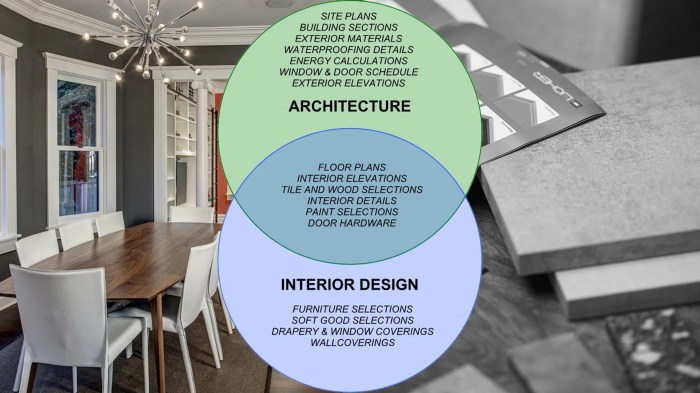
While architects are responsible for the overall design and structure of a building, interior designers focus on creating appealing and functional interior spaces within that structure. Architects typically work on the exterior and overall layout of a building, while interior designers work on the interior details, such as furniture arrangement and decor.
Educational Requirements for Architect vs. Interior Designer
To become an architect, one must typically complete a professional degree in architecture, such as a Bachelor's or Master's degree, followed by a period of practical training and licensure exams. On the other hand, becoming an interior designer may require a degree in interior design or a related field, along with practical experience and possibly licensure depending on the location.
The educational requirements for interior designers may vary by state or country.
Skills Required
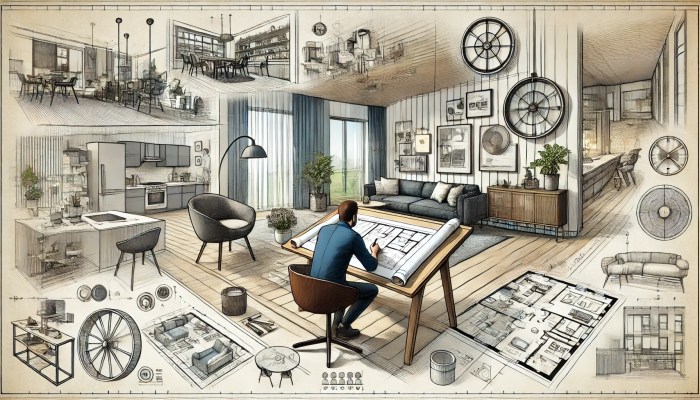
To excel as an architect, one must possess a combination of technical expertise, creativity, attention to detail, and strong communication skills. On the other hand, an interior designer should have a keen eye for aesthetics, spatial awareness, color theory knowledge, and the ability to understand clients' needs and preferences.
Key Skills for Architects
- Proficiency in architectural software such as AutoCAD, Revit, and SketchUp
- Strong design and spatial planning abilities
- Knowledge of building codes and regulations
- Excellent problem-solving skills
- Effective communication and collaboration skills
Essential Skills for Interior Designers
- Expertise in interior design software like Adobe Photoshop and 3D rendering programs
- Understanding of textiles, materials, and color schemes
- Ability to create mood boards and design concepts
- Client relationship management skills
- Project management and budgeting skills
Comparison of Technical Skills
| Technical Skills | Architecture | Interior Design |
|---|---|---|
| Software Proficiency | AutoCAD, Revit, SketchUp | Adobe Photoshop, 3D rendering programs |
| Design Knowledge | Building codes, spatial planning | Color theory, materials, textiles |
| Client Interaction | Collaboration, communication | Client relationship management |
| Project Management | Problem-solving, attention to detail | Budgeting, project management |
Design Process
Architects and interior designers both follow a structured design process to bring their creative visions to life. While the specific steps may vary slightly between the two professions, the overall goal remains the same
to create functional and aesthetically pleasing spaces for their clients.
Architects
Architects typically follow a design process that involves several key steps:
- Programming: Architects meet with clients to discuss their needs and requirements for the project.
- Schematic Design: This phase involves creating initial sketches and concept drawings to explore different design options.
- Design Development: Once a concept is chosen, architects develop detailed drawings and plans to further refine the design.
- Construction Documentation: Architects create detailed construction drawings and specifications that will be used by contractors during the building phase.
- Permitting: Architects work with local authorities to obtain the necessary permits for construction.
- Construction Administration: During the construction phase, architects oversee the project to ensure that the design is being implemented correctly.
Interior Designers
Interior designers also follow a step-by-step process to create functional and visually appealing interiors:
- Initial Consultation: Interior designers meet with clients to discuss their style preferences, budget, and timeline for the project.
- Space Planning: Designers create floor plans and layouts to optimize the use of space.
- Concept Development: Based on the client's input, designers develop a concept that includes color schemes, furniture selections, and decorative elements.
- Selection of Materials and Finishes: Designers choose materials, finishes, and fixtures that will be used in the space.
- Implementation: Once the design is finalized, interior designers work with contractors and vendors to bring the design to life.
- Final Walkthrough: Designers do a final walkthrough with the client to ensure that every detail meets their expectations.
Collaboration Between Architects and Interior Designers
Architects and interior designers often collaborate closely during a project to ensure that the interior and exterior spaces complement each other seamlessly. They work together to create cohesive designs that reflect the client's vision and requirements. Architects focus on the overall structure and layout of a building, while interior designers concentrate on the aesthetics and functionality of the interior spaces.
This collaboration results in cohesive and well-designed spaces that enhance the overall experience for the occupants.
Project Scope and Responsibilities
Architects and interior designers have distinct yet complementary roles in a project, each contributing to the overall success of the design process. Let's delve into the specific project scope and responsibilities of these professionals.
Scope of Projects for Architects
Architects are typically involved in a wide range of projects, from residential homes and commercial buildings to public spaces and institutional structures. Their scope of work includes:
- Creating architectural designs and plans based on client requirements and budget constraints.
- Ensuring compliance with building codes, regulations, and zoning laws.
- Collaborating with engineers, contractors, and other professionals to oversee the construction process.
- Considering environmental sustainability and energy efficiency in their designs.
Responsibilities of Interior Designers
Interior designers focus on enhancing the interior spaces of a building, ensuring functionality, aesthetics, and comfort. Their responsibilities include:
- Selecting and specifying furniture, fixtures, materials, and finishes for the interior design scheme.
- Creating layout plans and 3D visualizations to communicate design concepts to clients.
- Coordinating with architects, contractors, and vendors to implement the design plan effectively.
- Considering factors such as lighting, acoustics, and ergonomics to optimize the interior environment.
Collaboration between Architects and Interior Designers
Architects and interior designers often work hand in hand to achieve a cohesive and harmonious design for a project. Examples of their collaboration include:
- Architects consulting with interior designers to ensure that the overall architectural vision aligns with the interior design concept.
- Interior designers providing input on spatial planning and material selections that enhance the architectural features of a building.
- Collaborating on color schemes, finishes, and lighting design to create a unified and aesthetically pleasing interior environment.
Influences and Inspirations
Architects and interior designers draw inspiration from a variety of influences that shape their design aesthetic. These influences can come from cultural, historical, and environmental factors, as well as personal experiences and artistic movements.
Cultural Influence
Cultural influences play a significant role in the work of architects and interior designers. They may take inspiration from traditional architecture, art, and design elements of a particular culture. For example, a designer working on a project in Japan might incorporate elements of traditional Japanese architecture such as sliding doors, tatami mats, and natural materials like wood and paper.
Historical Influence
Historical influences can also impact the design choices of architects and interior designers. Studying the architectural styles of different time periods can provide valuable insights and inspiration for creating spaces that blend the past with the present. For instance, a designer might draw inspiration from the Art Deco movement of the 1920s when designing a modern office space.
Environmental Influence
Environmental factors play a crucial role in shaping the work of architects and interior designers. Sustainable design practices, such as using renewable materials, maximizing natural light, and incorporating energy-efficient systems, are becoming increasingly important in the industry. Designers may also draw inspiration from the natural surroundings of a project site, integrating elements of the landscape into their designs.
Final Summary
As we conclude our exploration of architect and interior designer, it's evident that their work goes beyond mere aesthetics - it's about creating spaces that inspire and enhance our lives. Dive into this dynamic world where innovation and design converge to shape our surroundings.
FAQ Explained
What are the main differences between an architect and an interior designer?
Architects focus on the overall design and structure of a building, while interior designers concentrate on the interior spaces and aesthetics.
What technical skills are essential for architecture and interior design?
Architects need skills in structural design and engineering, while interior designers require expertise in spatial planning and material selection.
How do architects and interior designers collaborate on projects?
Architects and interior designers work together to ensure that the overall design concept is cohesive and harmonious, blending the exterior and interior elements seamlessly.

