

Diving into the realm of cost to install new vinyl siding, this introduction sets the stage for a comprehensive exploration of key factors, costs breakdown, additional expenses, and comparisons with other siding materials. It aims to provide readers with valuable insights and practical tips in a manner that is engaging and informative.
The subsequent paragraph will delve into the specifics of the topic, shedding light on important aspects related to vinyl siding installation costs.
Factors Affecting Cost of Installing New Vinyl Siding
When considering the cost of installing new vinyl siding, several key factors come into play that can significantly impact the overall expenses. Factors such as material quality, labor costs, project size, geographic location, local market conditions, and design choices play a crucial role in determining the total cost of the installation.
Material Quality
The quality of the vinyl siding material used for the installation can greatly affect the cost. Higher quality materials may come at a higher price but can offer better durability, longevity, and aesthetic appeal. On the other hand, lower quality materials may be more affordable initially but could lead to higher maintenance costs in the long run.
Labor Costs
Labor costs for installing vinyl siding can vary based on factors such as the complexity of the project, the experience of the contractors, and local labor rates. More intricate installations or projects that require specialized skills may incur higher labor costs.
It is essential to consider labor expenses when budgeting for vinyl siding installation.
Project Size
The size of the project, including the square footage of the area to be covered with vinyl siding, can directly impact the overall cost. Larger projects may require more materials and labor, leading to higher expenses. Understanding the scope of the project and estimating the required materials and labor can help in budgeting effectively.
Geographic Location and Local Market Conditions
The cost of installing vinyl siding can vary based on the geographic location and local market conditions. Areas with higher living costs or where construction materials are more expensive may have higher installation costs. It is essential to consider the local market conditions when planning for vinyl siding installation to avoid unexpected expenses.
Design Choices
Design choices such as the style, color, and finish of the vinyl siding can also influence the total cost of installation. Certain styles or colors may come at a premium price, while basic options may be more budget-friendly. It is important to consider design preferences carefully and their impact on the overall cost before making a decision.
Cost Breakdown of Materials and Labor
When considering the cost of installing new vinyl siding, it's essential to break down the expenses associated with both materials and labor. Understanding these costs can help you budget effectively for your project.
Materials Cost Breakdown
- Vinyl Siding Panels: On average, vinyl siding panels can cost between $2 to $7 per square foot. The total cost will depend on the quality and brand you choose.
- Trim Pieces: Trim pieces are essential for finishing edges and corners. They typically range from $1 to $3 per linear foot.
- Insulation: Insulation is crucial for energy efficiency. Expect to pay around $0.50 to $1 per square foot for insulation materials.
Labor Cost Breakdown
When it comes to labor costs, hiring professionals to install vinyl siding can range from $1 to $3 per square foot. This includes preparation, installation, and finishing touches. DIY installation methods can save you on labor costs, but it's important to consider your skill level and the time commitment required.
Cost Comparison: Professionals vs. DIY
- Professionals: While hiring professionals may cost more upfront, you can benefit from their expertise and ensure a high-quality installation.
- DIY: DIY installation can be cost-effective, but it requires time, effort, and the necessary skills to complete the project correctly.
Finding Cost-Effective Materials and Labor
- Shop Around: Compare prices from different suppliers to find the best deals on vinyl siding materials.
- Consider Quality: Opt for high-quality materials that may cost more initially but can save you money in the long run due to their durability.
- Get Multiple Quotes: When hiring professionals, obtain quotes from several contractors to ensure you're getting a fair price for labor.
Additional Expenses and Cost-Saving Tips
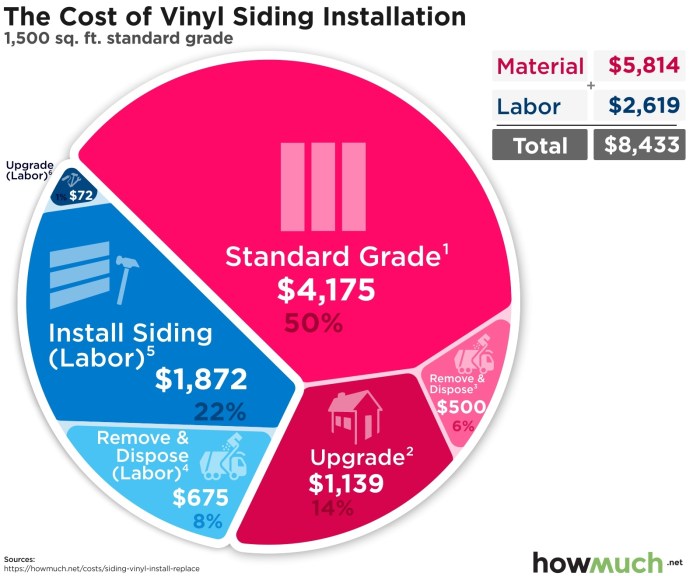
When planning for a vinyl siding installation project, it's important to consider potential additional expenses that may arise, such as permits, disposal of old siding, and unexpected repairs
Permits and Disposal Costs
When installing new vinyl siding, you may need to obtain permits from your local municipality, which can incur additional fees. Additionally, the disposal of old siding can also add to your overall expenses. Consider researching permit requirements beforehand and budgeting for disposal costs to avoid any surprises.
Negotiating Prices and Budgeting Tips
To save on installation costs, consider obtaining multiple quotes from contractors and suppliers to compare prices. You can also negotiate with contractors to see if there are any cost-saving opportunities, such as discounts for paying in full upfront or bundling services.
It's important to communicate your budget constraints and timeline clearly to ensure that all parties are on the same page.
Quality vs. Cost Savings
While it's tempting to opt for the lowest-priced option, keep in mind that quality materials and workmanship are crucial for the longevity of your vinyl siding. Investing in higher-quality materials may cost more upfront but can save you money in the long run by reducing the need for frequent repairs or replacements.
Strike a balance between cost savings and quality to ensure a durable and aesthetically pleasing result.
Comparing Vinyl Siding Costs with Other Siding Materials
When considering the cost of installing vinyl siding compared to other siding materials, it is essential to take into account various factors that can impact the overall expenses and long-term cost-effectiveness.Vinyl siding is generally more cost-effective than alternative siding materials such as wood, fiber cement, and metal.
While the initial cost of vinyl siding installation may be lower, it is crucial to consider the long-term maintenance and durability of the material. Vinyl siding requires minimal maintenance and is known for its durability, which can lead to cost savings over time compared to other materials that may require more upkeep.In terms of environmental impact, vinyl siding has been a subject of debate due to concerns about its production process and disposal.
However, advancements in technology have led to the development of more eco-friendly vinyl siding options, making it a more sustainable choice compared to traditional materials like wood or metal.For certain types of properties, such as residential homes or commercial buildings, vinyl siding can be a cost-effective choice due to its affordability, durability, and low maintenance requirements.
It offers a wide range of styles and colors, making it a versatile option for various architectural designs.
Long-Term Cost-Effectiveness of Vinyl Siding
- Vinyl siding requires minimal maintenance, reducing long-term costs compared to other materials.
- The durability of vinyl siding can result in fewer repairs and replacements over time, saving money in the long run.
- Energy-efficient vinyl siding options can help lower utility bills, contributing to cost savings over the lifespan of the material.
Environmental Impact of Vinyl Siding
- New eco-friendly vinyl siding options are available, reducing the environmental impact of installation and disposal.
- Vinyl siding production has become more sustainable over the years, making it a viable choice for environmentally conscious property owners.
- Compared to other materials like wood or metal, vinyl siding can offer a more environmentally friendly alternative with proper disposal and recycling practices.
Cost-Effectiveness for Different Property Types
- Residential homes benefit from the affordability and versatility of vinyl siding, providing a cost-effective solution for homeowners.
- Commercial buildings can save on maintenance costs with durable vinyl siding options, ensuring long-term value for property owners.
- Rental properties and multi-unit buildings can benefit from the cost-effectiveness of vinyl siding, offering a low-maintenance solution for landlords and property managers.
Final Review
In conclusion, the discussion on the cost to install new vinyl siding offers a holistic view of the factors influencing expenses, cost breakdowns, and comparisons with alternative materials. It emphasizes the importance of careful planning and informed decision-making for a successful siding installation project.
FAQ Section
What factors influence the cost of installing vinyl siding?
The cost can be affected by material quality, labor costs, project size, geographic location, local market conditions, and design choices.
How can one reduce installation costs without compromising quality?
Strategies include finding cost-effective materials and labor, negotiating prices, and effective budget planning.
Is vinyl siding more cost-effective than other siding materials in the long run?
Vinyl siding is often considered cost-effective due to its low maintenance and durability compared to materials like wood, fiber cement, and metal.
Are there additional expenses to consider besides material and labor costs?
Additional costs may include permits, old siding disposal, and unexpected repairs during the installation process.

