

Delving into metal siding for houses, this introduction immerses readers in a unique and compelling narrative. From its exceptional durability to the array of aesthetic options available, metal siding offers a blend of practicality and style that is hard to match.
Let's uncover the benefits, types, installation process, and cost considerations of metal siding for houses.
Benefits of Metal Siding
Metal siding offers a range of benefits that make it a popular choice for homeowners looking for durability, energy efficiency, and low maintenance requirements.
Durability of Metal Siding
Metal siding is known for its exceptional durability compared to other siding materials. It can withstand extreme weather conditions, including heavy rain, strong winds, and hail, without warping, cracking, or rotting. This longevity ensures that metal siding will last for many years, providing reliable protection for your home.
Energy Efficiency Benefits of Metal Siding
Metal siding is also recognized for its energy efficiency properties. The material reflects heat from the sun, helping to keep your home cooler in the summer months and reducing the strain on your air conditioning system. Additionally, metal siding can be insulated to improve its thermal performance, leading to lower energy bills and increased comfort inside your home.
Low Maintenance Requirements of Metal Siding
Unlike wood or vinyl siding, metal siding requires minimal maintenance to keep it looking great. It does not need to be painted or stained regularly, and it is resistant to pests and mold growth. Simply cleaning the siding with water and mild detergent occasionally is usually sufficient to maintain its appearance and structural integrity.
Types of Metal Siding
Metal siding comes in various types, each offering unique features and benefits for houses. Let's explore some of the most common options available in the market.
Steel Siding
Steel siding is known for its durability and strength, making it a popular choice for homeowners looking for long-lasting protection. It can withstand harsh weather conditions and is resistant to impacts, making it ideal for areas prone to extreme weather.
Steel siding is available in a wide range of colors and textures, allowing homeowners to customize the look of their homes according to their preference.
Aluminum Siding
Aluminum siding is lightweight and corrosion-resistant, making it a low-maintenance option for houses. It is also easy to install and can be painted in various colors to match the exterior of the house. While aluminum siding may not be as durable as steel, it still offers decent protection and insulation for homes.
Other Metal Siding Materials
Apart from steel and aluminum, there are other metal siding materials available in the market, such as copper and zinc. These materials are known for their unique aesthetic appeal, as they develop a natural patina over time, giving the house a distinctive look.
While these materials may be more expensive than steel or aluminum, they offer a luxurious and elegant finish that can enhance the overall appearance of the house.
Installation Process
Metal siding installation on a house involves several steps to ensure a proper and durable finish. Here is a detailed breakdown of the installation process, along with tips and solutions to common challenges.
Step 1: Preparation
Before starting the installation, make sure to measure the walls accurately and order the correct amount of metal siding. Remove any existing siding and repair the wall surface if necessary. Ensure that the surface is clean, dry, and free of any debris.
Step 2: Installation of Underlayment
Install a weather-resistant barrier or underlayment to provide additional protection against moisture. This will help prevent water infiltration and ensure proper insulation.
Step 3: Cutting and Fitting
Measure and cut the metal siding panels to fit the dimensions of the walls. Use tin snips or a metal-cutting saw for precision cutting. Fit the panels together tightly, leaving room for expansion and contraction.
Step 4: Fastening the Panels
Secure the metal siding panels to the walls using screws or nails. Make sure to follow the manufacturer's instructions for proper spacing and fastening techniques. Use a level to ensure that the panels are installed straight and aligned.
Step 5: Finishing Touches
Finish the installation by adding trim pieces, corner caps, and J-channels to provide a clean and polished look
Ensuring Proper Insulation
To ensure proper insulation when installing metal siding, consider adding insulation boards or foam panels underneath the siding. This will help improve energy efficiency and maintain a comfortable indoor temperature.
Common Challenges and Solutions
Challenge
Warping or buckling of metal panels. Solution: Properly fasten the panels and allow room for expansion and contraction. Use a level during installation to avoid misalignment.
Challenge
Water infiltration behind the siding. Solution: Install a weather-resistant barrier or underlayment and seal any gaps or seams with caulk. Regularly inspect the siding for signs of water damage.
Challenge
Difficulty cutting metal panels. Solution: Use sharp tin snips or a metal-cutting saw for clean and precise cuts. Measure accurately and double-check the dimensions before cutting.
Cost Considerations
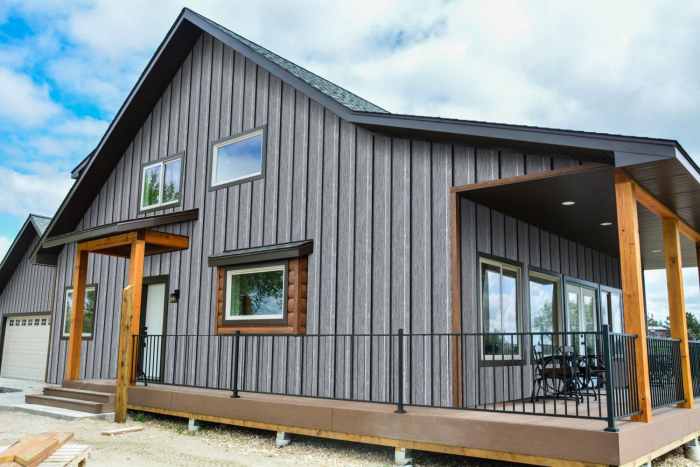
Metal siding for houses offers a variety of cost considerations that homeowners should keep in mind when deciding on this option. From initial investment to long-term savings, understanding the financial aspects of metal siding is crucial.
Cost Factors
- Material Cost: Metal siding can be more expensive upfront compared to other siding materials like vinyl or wood. However, the durability and low maintenance requirements of metal siding can offset this initial cost over time.
- Installation Cost: The cost of labor for installing metal siding can vary based on the size of the project, the complexity of the design, and the expertise of the installers. It's important to get multiple quotes from reputable contractors to ensure a fair price.
- Maintenance Cost: Metal siding is known for its longevity and resistance to elements like rot, mold, and pests, which can reduce the need for frequent repairs and maintenance. This can result in cost savings in the long run.
Initial Investment vs. Long-term Savings
Metal siding may require a higher initial investment compared to other siding materials, but its durability and low maintenance requirements can lead to significant long-term savings. Homeowners can potentially save money on repairs, repainting, and replacements over the years, making metal siding a cost-effective choice in the long run.
Return on Investment
When considering the return on investment (ROI) of metal siding, it's important to factor in not just the initial cost but also the savings achieved over time. Metal siding's longevity, energy efficiency, and minimal maintenance needs can contribute to a higher ROI compared to other siding materials.
Additionally, the curb appeal and increased property value that metal siding can bring may further enhance the return on investment for homeowners.
Last Recap
In conclusion, metal siding emerges as a resilient and visually appealing choice for homeowners. With its low maintenance requirements and energy-efficient properties, it stands out as a smart investment. Whether it's the sleek look of steel or the versatility of aluminum, metal siding offers a durable solution that can enhance the curb appeal of any home.
Dive into the world of metal siding and transform your house with this modern and reliable option.
FAQs
Is metal siding more durable than other materials?
Metal siding is known for its exceptional durability, outlasting many traditional siding materials like wood or vinyl.
What are the common challenges during metal siding installation?
Common challenges may include proper insulation and ensuring a smooth installation surface, but these can be overcome with professional guidance.
How does the cost of metal siding compare to other options?
While metal siding may have a higher initial investment, the long-term savings in maintenance and energy efficiency often make it a cost-effective choice.

