

Delve into the world of real estate property management where every detail matters. From marketing tactics to legal nuances, this topic covers it all, promising a journey of discovery and expertise.
In the following sections, we will explore the key aspects of property management and unveil the secrets to effective management strategies in the real estate world.
Introduction to Real Estate Property Management
Real estate property management involves overseeing and managing properties on behalf of the owner. This includes handling day-to-day operations, maintenance, tenant relations, and maximizing the property's value.Property management is crucial in real estate as it ensures that properties are well-maintained, tenants are satisfied, and the owner's investment is protected.
It also helps in optimizing rental income, reducing vacancies, and ensuring compliance with laws and regulations.
Key Responsibilities of Property Managers
- Advertising and Marketing: Property managers are responsible for attracting and screening potential tenants through effective advertising and marketing strategies.
- Lease Agreements: They negotiate and enforce lease agreements, ensuring that all terms and conditions are met by both parties.
- Maintenance and Repairs: Property managers oversee maintenance and repairs of the property to keep it in good condition and address any issues promptly.
- Rent Collection: They collect rent from tenants, handle late payments, and enforce lease terms regarding rent payments.
- Tenant Relations: Property managers address tenant concerns, handle complaints, and ensure a positive relationship between tenants and the property owner.
- Financial Management: They are responsible for budgeting, financial reporting, and managing expenses to ensure the property's financial health.
Property Marketing and Tenant Relations
In property management, effective marketing of rental properties is crucial to attract potential tenants and ensure high occupancy rates. Additionally, building and maintaining positive relationships with tenants is essential for tenant satisfaction and long-term tenant retention.
Property Marketing Strategies
- Utilize online platforms such as real estate websites, social media, and online listings to advertise rental properties.
- Highlight the unique features and amenities of the property to attract potential tenants.
- Utilize professional photography and virtual tours to showcase the property effectively.
- Offer incentives such as move-in specials or referral bonuses to attract new tenants.
Tenant Relations
- Communicate effectively with tenants to address any concerns or maintenance issues promptly.
- Organize community events or activities to foster a sense of community among tenants.
- Provide excellent customer service and be responsive to tenant inquiries and requests.
- Regularly inspect the property to ensure that it is well-maintained and address any issues proactively.
Significance of Tenant Retention
- High tenant retention rates lead to lower turnover costs and vacancy periods, resulting in increased profitability for property owners.
- Long-term tenants are more likely to take care of the property and treat it as their own, reducing maintenance and repair costs.
- Positive relationships with tenants can lead to positive reviews and referrals, attracting new tenants through word of mouth.
- Ensuring tenant satisfaction and retention is essential for a successful property management business.
Legal Aspects of Property Management
Property management involves various legal considerations that property managers need to adhere to in order to protect the interests of both landlords and tenants. Understanding the laws and regulations surrounding property management is crucial to ensure smooth operations and prevent any legal issues from arising.
Eviction Process and Landlord-Tenant Laws
- Landlord-tenant laws vary by state, so it's important for property managers to be familiar with the specific regulations in their area.
- The eviction process typically involves serving the tenant with a notice to vacate, followed by filing a formal eviction lawsuit if the tenant does not comply.
- Property managers must follow all legal requirements and timelines when evicting a tenant to avoid potential legal repercussions.
- Understanding the rights and responsibilities of both landlords and tenants can help prevent conflicts and ensure a smooth rental process.
Importance of Lease Agreements and Property Inspections
- Lease agreements Artikel the terms and conditions of the rental agreement, including rent payments, security deposits, and rules for the property.
- Property managers should ensure that lease agreements comply with local laws and regulations to protect the interests of both parties.
- Regular property inspections help identify maintenance issues, ensure tenant compliance with the lease agreement, and protect the property from damage.
- Documenting the condition of the property before and after a tenant's occupancy can help resolve disputes and ensure a smooth turnover process.
Financial Management in Real Estate
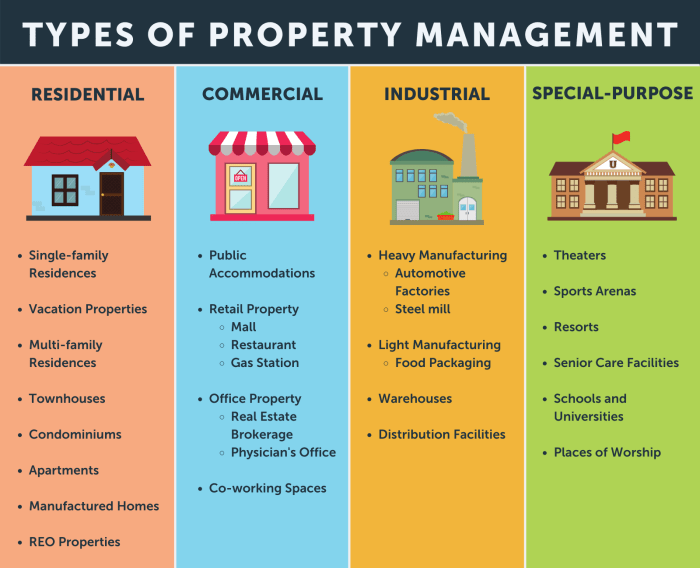
Property managers play a crucial role in the financial management of real estate properties. They are responsible for various financial aspects to ensure that the property operates smoothly and efficiently.
Financial Responsibilities of Property Managers
Property managers have a range of financial responsibilities, including setting rental rates, collecting rent, and handling operating expenses. They must also ensure that the property operates within budget constraints and that financial records are accurately maintained
- Setting Rental Rates: Property managers are responsible for setting competitive rental rates that reflect the market value of the property. They conduct market research to determine appropriate rental prices based on factors such as location, amenities, and demand.
- Collecting Rent: Property managers collect rent from tenants, ensuring that payments are made on time and in full. They may also be responsible for enforcing lease agreements and addressing any late payments or delinquencies.
- Handling Operating Expenses: Property managers oversee the payment of operating expenses such as maintenance, repairs, utilities, and insurance. They must budget effectively to ensure that expenses are covered while maintaining profitability.
Budgeting, Accounting, and Reporting Practices in Property Management
Effective budgeting, accounting, and reporting practices are essential for financial management in real estate. Property managers must carefully track income and expenses, prepare financial statements, and provide regular reports to property owners.
Budgeting: Property managers develop and monitor budgets to ensure that the property remains financially stable and profitable. They allocate funds for various expenses, plan for capital improvements, and adjust budgets as needed.
Accounting: Property managers maintain accurate financial records, including income, expenses, and transactions. They use accounting software to track finances, prepare invoices, and reconcile accounts to ensure financial accuracy.
Reporting: Property managers provide regular financial reports to property owners, detailing income, expenses, and financial performance. These reports help owners make informed decisions about the property and understand its financial health.
Maintenance and Repairs
Property managers play a crucial role in handling maintenance requests from tenants to ensure the properties are well-maintained and in good condition. Regular property inspections are also essential to identify any potential issues early on and address them promptly. Coordinating repairs and renovations is part of the property manager's responsibilities to keep the properties in optimal condition.
Handling Maintenance Requests
- Property managers should have a system in place for tenants to submit maintenance requests easily and promptly.
- Once a maintenance request is received, property managers need to assess the urgency of the issue and prioritize accordingly.
- Communication with tenants is key during the maintenance process to keep them informed of the progress and any disruptions that may occur.
Importance of Regular Property Inspections
- Regular property inspections help identify maintenance issues early on, preventing them from escalating into more significant problems.
- Property managers can also ensure that tenants are following the terms of the lease regarding property upkeep during inspections.
- Inspections provide an opportunity to assess the overall condition of the property and plan for any necessary repairs or renovations.
Coordinating Repairs and Renovations
- Property managers need to work with trusted contractors and vendors to coordinate repairs and renovations efficiently.
- Obtaining multiple quotes for larger projects can help property managers make informed decisions and ensure cost-effectiveness.
- Regularly scheduled maintenance and proactive repairs can help extend the lifespan of property components and reduce the likelihood of costly emergency repairs.
Technology in Property Management
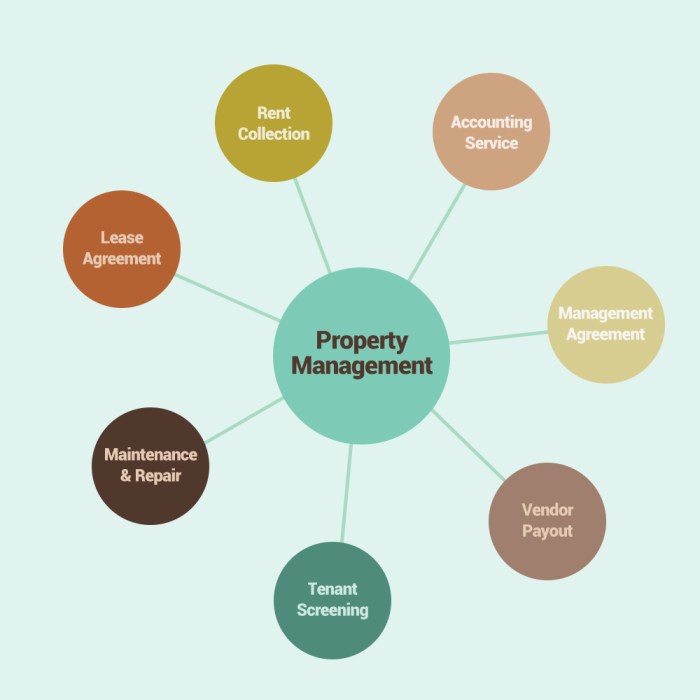
Technology plays a crucial role in streamlining property management processes, making them more efficient and effective. By utilizing software and tools specifically designed for property management, real estate professionals can enhance communication with tenants and property owners, ultimately improving overall operations.
Property Management Software
Property management software is designed to automate and simplify various tasks, such as rent collection, lease management, maintenance requests, and financial reporting. These tools help property managers stay organized, track important data, and streamline day-to-day operations.
Online Tenant Portals
Online tenant portals provide tenants with a convenient platform to communicate with property managers, submit maintenance requests, pay rent online, and access important documents. This enhances communication and transparency between tenants and property management, leading to improved tenant satisfaction.
Virtual Tours and 3D Floor Plans
With the advancement of technology, property managers can now offer virtual tours and 3D floor plans to prospective tenants. This allows potential renters to view properties remotely, saving time for both tenants and property managers. Virtual tours also help in marketing properties effectively and attracting quality tenants.
Smart Home Technology
Smart home technology, such as smart thermostats, keyless entry systems, and security cameras, can be integrated into rental properties to enhance security, energy efficiency, and convenience for tenants. Property managers can remotely monitor and control these devices, improving the overall property management experience.
Ending Remarks
As we conclude this insightful discussion on real estate property management, remember that success lies in meticulous attention to detail and a deep understanding of the industry. Embrace these principles to excel in the dynamic realm of property management.
FAQ Summary
What are the common legal requirements property managers must follow?
Property managers must comply with local, state, and federal laws regarding property management, including fair housing regulations and property maintenance standards.
How do property managers handle maintenance requests efficiently?
Property managers typically have a system in place to prioritize maintenance requests based on urgency and severity to ensure timely resolution.
What role does technology play in modern property management?
Technology streamlines processes such as tenant communication, rent collection, and property maintenance, enhancing efficiency and tenant satisfaction.

