

Roofing warranty options offer homeowners a crucial layer of protection against unexpected expenses and provide peace of mind. In this detailed guide, we will delve into the importance of different warranty options, the types available, factors to consider when choosing, and the pros and cons of each.
Importance of Roofing Warranty Options
Having different roofing warranty options is crucial for homeowners as it provides a safety net in case of unexpected issues with their roof. These options offer a sense of security and peace of mind knowing that they are protected in the event of any damages or defects.
Protection from Unexpected Expenses
Roofing warranty options can protect homeowners from unexpected expenses that may arise due to material defects, poor workmanship, or other issues with the roof. By choosing the right warranty, homeowners can avoid costly repairs or replacements that could otherwise put a strain on their finances.
Peace of Mind
Having roofing warranty options in place can give homeowners peace of mind, knowing that they are covered in case of emergencies or unforeseen circumstances. This allows them to rest easy, knowing that their investment in their home is protected and secure.
Types of Roofing Warranty Options
When it comes to roofing warranty options, there are several types available in the market to provide homeowners with peace of mind and protection for their investment. Understanding the common types of roofing warranties and what they cover can help you make an informed decision when selecting the right warranty for your roof.
Manufacturer Warranties
Manufacturer warranties are typically provided by the company that produces the roofing materials. These warranties cover defects in the materials themselves, such as premature deterioration, manufacturing errors, or damage that occurs during shipping. Manufacturer warranties may vary in length and coverage, so it is important to review the terms and conditions carefully.
Examples of what may be covered under a manufacturer warranty include:
- Material defects
- Premature deterioration
- Manufacturing errors
- Damages during shipping
Workmanship Warranties
Workmanship warranties are offered by the roofing contractor and cover the installation of the roof. These warranties ensure that the workmanship meets industry standards and is free from installation errors. Workmanship warranties are separate from manufacturer warranties and may have their own set of terms and conditions.
Examples of what may be covered under a workmanship warranty include:
- Installation errors
- Leaks due to improper installation
- Inadequate ventilation
- Flashing issues
By understanding the differences between manufacturer warranties and workmanship warranties, homeowners can ensure that both the materials and installation of their roof are protected. It is important to review the details of each warranty carefully and ask any questions you may have before making a decision.
Factors to Consider When Choosing a Roofing Warranty
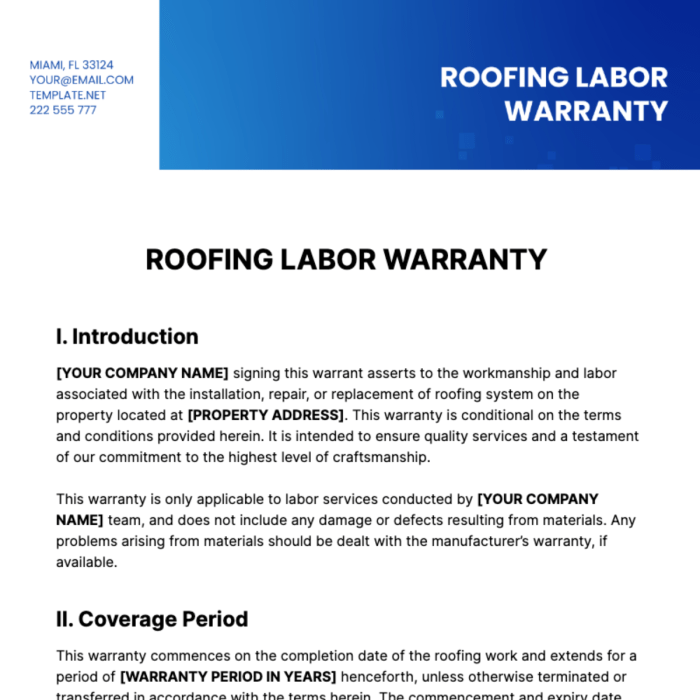
When selecting a roofing warranty, there are several key factors that homeowners should take into consideration to ensure they are making an informed decision that meets their needs and protects their investment in their home.
Importance of Warranty Length and Coverage
One of the most crucial factors to consider when choosing a roofing warranty is the length of the warranty and the coverage it provides. A longer warranty period can offer homeowners peace of mind knowing that they are protected against potential roofing issues for an extended period.
Additionally, it is important to carefully review the coverage details to ensure that the warranty includes protection against a wide range of potential damages and issues that may arise.
Reputation of the Warranty Provider
The reputation of the warranty provider is another essential factor to consider when selecting a roofing warranty. Homeowners should research the warranty provider's track record, customer reviews, and overall reputation in the industry. A reliable and reputable warranty provider is more likely to honor their warranty commitments and provide excellent customer service in the event of a claim.
Therefore, choosing a warranty from a trusted provider can give homeowners confidence in the protection and support they will receive throughout the warranty period.
Pros and Cons of Different Roofing Warranty Options
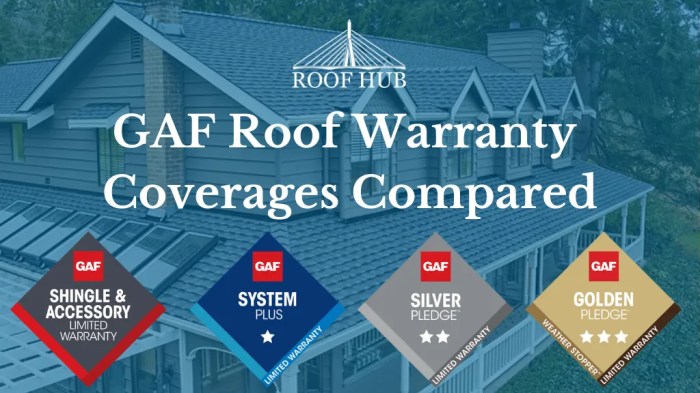
When considering roofing warranty options, it is important to weigh the advantages and disadvantages of each type to make an informed decision for your property.
Advantages of Long-Term Roofing Warranties
- Peace of mind: Long-term warranties provide extended protection and peace of mind for homeowners, ensuring that any potential issues will be covered for an extended period.
- Increased property value: Having a long-term warranty in place can increase the resale value of your home, as it demonstrates to potential buyers that the roof is protected.
- Cost savings: Long-term warranties can help save money on repairs and replacements in the long run, as most major issues will be covered under the warranty.
Potential Drawbacks of Certain Types of Roofing Warranties
- Limited coverage: Some warranties may have limited coverage, excluding certain types of damage or requiring specific maintenance procedures to be followed.
- Prorated coverage: Prorated warranties may decrease in coverage over time, meaning that the longer you have the roof, the less protection it may offer.
- High costs: Long-term warranties with comprehensive coverage may come at a higher upfront cost compared to shorter warranties.
Benefits of Transferable Warranties vs. Non-Transferable Warranties
- Transferable warranties: These warranties can be transferred to a new homeowner if you decide to sell your property, adding value and peace of mind to potential buyers.
- Non-transferable warranties: While non-transferable warranties may have lower upfront costs, they may not provide the same benefits when selling your home, as the warranty will not transfer to the new owner.
- Consideration: When choosing between transferable and non-transferable warranties, consider how long you plan to stay in the property and whether the ability to transfer the warranty is important to you.
End of Discussion
In conclusion, understanding roofing warranty options is essential for homeowners looking to safeguard their investment. By weighing the factors and considering the various types of warranties, individuals can make informed decisions to protect their homes effectively.
FAQ Resource
What is the importance of having different roofing warranty options?
Having various roofing warranty options is crucial as it provides homeowners with protection against unforeseen repair costs and ensures peace of mind.
What are the differences between manufacturer warranties and workmanship warranties?
Manufacturer warranties cover defects in materials, while workmanship warranties cover errors in installation or labor.
What factors should homeowners consider when choosing a roofing warranty?
Homeowners should consider warranty length, coverage details, and the reputation of the warranty provider.
What are the advantages of long-term roofing warranties?
Long-term warranties provide extended protection and peace of mind for homeowners over an extended period.
Are transferable warranties better than non-transferable warranties?
Transferable warranties offer the advantage of transferring coverage to a new homeowner if the property is sold, providing added value.

