

As you delve into the world of siding contractors near you, get ready to uncover a wealth of information that will transform your home. From enhancing curb appeal to choosing the perfect siding material, this guide has it all.
Learn about the different types of services, qualities to look for in contractors, cost factors, and the installation process. By the end, you'll be equipped with the knowledge to make informed decisions for your next home project.
Importance of Siding Contractors
When it comes to home improvement projects, siding contractors play a crucial role in ensuring the exterior of your home is not only visually appealing but also well-protected. Hiring professional siding contractors can make a significant difference in the overall look and durability of your property.
Benefits of Hiring Professional Siding Contractors
- Expertise: Professional siding contractors have the knowledge and skills to properly install or repair siding, ensuring it is done correctly the first time.
- Quality Materials: They have access to high-quality siding materials that are durable and long-lasting, providing better protection for your home.
- Time and Cost-Efficiency: By hiring professionals, you can save time and money in the long run by avoiding costly mistakes and ensuring the project is completed in a timely manner.
- Curb Appeal: Siding contractors near you can help enhance the curb appeal of your home, increasing its value and making it more attractive to potential buyers.
Types of Siding Services
When it comes to siding services, there are various types of siding materials commonly used by contractors. Each material has its own set of pros and cons, making it crucial to select the right siding material for a specific project.
Vinyl Siding
- Pros: Affordable, low maintenance, versatile in design options.
- Cons: Can crack in extreme temperatures, not as durable as other materials.
Fiber Cement Siding
- Pros: Durable, resistant to fire, rot, and insects, low maintenance.
- Cons: More expensive than vinyl, requires professional installation.
Wood Siding
- Pros: Natural and rustic look, environmentally friendly.
- Cons: Requires regular maintenance and can be prone to rot and pests.
Metal Siding
- Pros: Extremely durable, fire-resistant, low maintenance.
- Cons: Can dent or scratch easily, may not suit all architectural styles.
Choosing the Right Siding Material
When selecting the right siding material for a specific project, consider factors such as budget, climate, maintenance requirements, and the overall look you want to achieve. Consulting with a professional siding contractor can help you make an informed decision based on your needs and preferences.
When choosing siding contractors for your home, it is essential to consider certain key qualities that can make a significant difference in the quality of work and overall experience. Here are some important factors to keep in mind:
Reputation and Experience
It is crucial to evaluate the reputation and experience of siding contractors before making a decision. Look for contractors with a proven track record of delivering high-quality work and satisfactory results. Check online reviews, ask for references, and inquire about their previous projects to gauge their level of expertise.
Insurance and Licensing
Insurance and licensing are non-negotiable when hiring siding contractors. Make sure the contractors you are considering are properly insured and licensed to operate in your area. This not only protects you as a homeowner in case of accidents or damages but also ensures that the contractors meet the necessary requirements to perform the job legally and safely.
Cost Factors and Budgeting
When planning a siding installation project, it is crucial to consider the cost factors involved and budget accordingly. Understanding these factors can help you get accurate quotes from siding contractors and negotiate pricing effectively.
Typical Cost Factors
- Material Costs: The type of siding material you choose will significantly impact the overall cost of the project. Vinyl siding is usually more affordable compared to options like wood or fiber cement.
- Labor Costs: The amount of labor required for the installation, as well as the contractor's labor rates, will affect the total cost.
- Size of the Project: The size of your home or building will also play a role in determining the cost of the siding installation. Larger projects will naturally cost more.
- Additional Features: Factors such as trim work, insulation, and removal of old siding can add to the overall cost of the project.
Budgeting Tips
- Research and Compare: Get quotes from multiple siding contractors to compare prices and services offered. This will help you get a better understanding of the average cost in your area.
- Set a Realistic Budget: Determine how much you can afford to spend on the project and stick to that budget. Be sure to account for any unexpected expenses that may arise.
- Ask About Financing Options: Some contractors offer financing plans or payment options that can help you manage the cost of the project over time.
Negotiating Pricing Strategies
- Be Prepared to Negotiate: Don't be afraid to discuss pricing with the contractor and ask if there are any opportunities for discounts or cost-saving measures.
- Highlight Competitive Quotes: If you have received lower quotes from other contractors, use this information to negotiate for a better price.
- Focus on Value: Instead of just focusing on the lowest price, consider the quality of materials and workmanship offered by the contractor. Sometimes paying a bit more for better quality can save you money in the long run.
Siding Installation Process
When it comes to siding installation, there are several key steps involved to ensure a successful outcome. From preparation to finishing touches, each phase plays a crucial role in the overall process.
Preparation Stage
- Before the installation begins, it is essential to clean and inspect the exterior of your home to identify any underlying issues that may need to be addressed.
- Remove any existing siding and repair any damaged areas to create a smooth surface for the new siding to be installed.
- Ensure that the necessary materials and tools are readily available for the installation process to proceed smoothly.
Installation Stage
- Start by measuring and cutting the siding panels to fit the dimensions of your home accurately.
- Secure the siding panels to the exterior of your home using the appropriate fasteners and techniques to ensure a secure and weatherproof installation.
- Paying attention to details such as corner pieces, trim, and soffits is crucial to achieving a polished and professional finish.
Finishing Touches
- After the siding panels are installed, it is essential to caulk and seal any gaps or seams to prevent water infiltration and improve energy efficiency.
- Apply a coat of paint or finish to the siding to enhance its appearance and protect it from the elements.
- Clean up the work area and inspect the finished installation to ensure that everything meets your expectations.
Ending Remarks
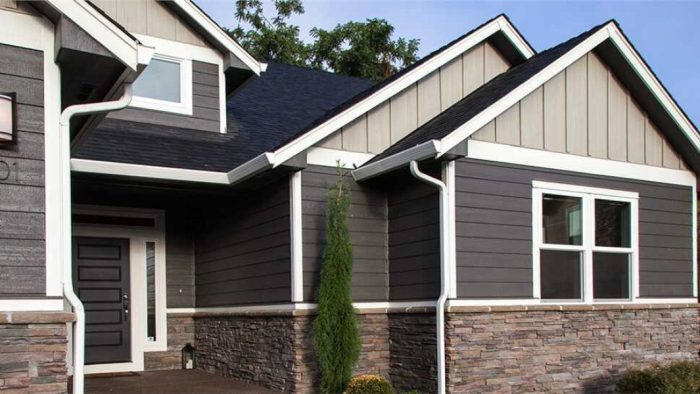
In conclusion, siding contractors near you are the key to elevating your home's aesthetics and functionality. With the right information and resources at your disposal, you're now ready to take on any siding project with confidence. Here's to creating the home of your dreams!
FAQ Section
What are the benefits of hiring professional siding contractors?
Professional siding contractors bring expertise, efficiency, and quality workmanship to your home improvement project, ensuring a durable and visually appealing result.
How can I evaluate the reputation of siding contractors near me?
Check online reviews, ask for references, and inquire about past projects to gauge the reputation of siding contractors in your area.
What are the common challenges during siding installation?
Common challenges include weather delays, structural issues, and unexpected costs. Proper preparation and communication with contractors can help mitigate these challenges.
Why is insurance and licensing important when hiring siding contractors?
Insurance and licensing ensure that contractors are qualified, adhere to safety standards, and protect you from liability in case of accidents or damage during the project.

