

Embark on a journey through the advantages and disadvantages of slate roofing, a topic that delves into the durability, aesthetics, and environmental impact of this roofing material. As we navigate through the intricacies of slate roofs, you'll gain a comprehensive understanding of the factors that make them a popular choice for homeowners.
Delve deeper into the nuances of slate roofing to uncover the hidden gems and potential drawbacks that come with this unique roofing option.
Pros of Slate Roofing
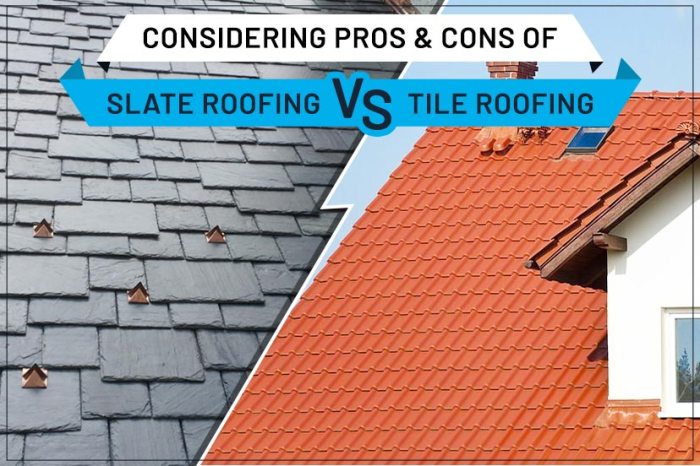
Slate roofing offers numerous advantages that make it a popular choice for homeowners. From durability to aesthetic appeal, here are some key benefits:
Durability of Slate Roofing
One of the most significant advantages of slate roofing is its exceptional durability. Slate roofs can last for decades, often outlasting other roofing materials such as asphalt shingles. This longevity makes slate a cost-effective option in the long run, as it requires minimal maintenance and replacement compared to other roofing materials.
Aesthetic Appeal of Slate Roofs
In addition to its durability, slate roofing is known for its timeless and elegant appearance. The natural beauty of slate tiles can enhance the curb appeal of any home, adding a touch of sophistication and charm. Whether in traditional or modern architecture, slate roofs can elevate the overall look of a property.
Eco-Friendly Nature of Slate Roofing
Slate is a natural material that is environmentally friendly and sustainable. Unlike synthetic roofing materials, slate is mined from the earth and does not require the use of harmful chemicals or processes in its production. This makes slate roofing a green choice for environmentally conscious homeowners.
Increase in Property Value with Slate Roofs
Investing in a slate roof can significantly increase the value of a property. The durability, aesthetic appeal, and eco-friendly nature of slate roofing are highly attractive to potential buyers, making homes with slate roofs more desirable in the real estate market.
This can lead to a higher resale value and a competitive edge in property listings.
Cons of Slate Roofing
Installing a slate roof comes with several drawbacks that homeowners should consider before making a decision. From high costs to structural concerns, here are some of the cons associated with slate roofing:
High Cost of Installation
One of the major drawbacks of slate roofing is its high cost of installation. The materials themselves are expensive, and the labor required for installation is also more intensive compared to other roofing materials. This can make slate roofing unaffordable for many homeowners.
Weight and Impact on Structure
Slate roofs are significantly heavier than other roofing materials, putting a considerable strain on the structure of the building. Not all buildings are equipped to handle the weight of a slate roof, leading to potential structural issues over time. Reinforcements may be necessary to support the added load.
Challenges in Repair and Replacement
Repairing or replacing a slate roof can be a difficult and labor-intensive process. Finding replacement slates that match the existing roof can be challenging, and the expertise required to properly repair or replace damaged slates is not always readily available.
This can lead to delays and increased costs.
Limited Availability of Slate Roofers
Another challenge with slate roofing is the limited availability of qualified slate roofers. Due to the specialized skills and knowledge required to work with slate, finding experienced professionals who can install or repair slate roofs may be challenging. This can result in longer wait times and higher costs for homeowners in need of slate roofing services.
Maintenance of Slate Roofs
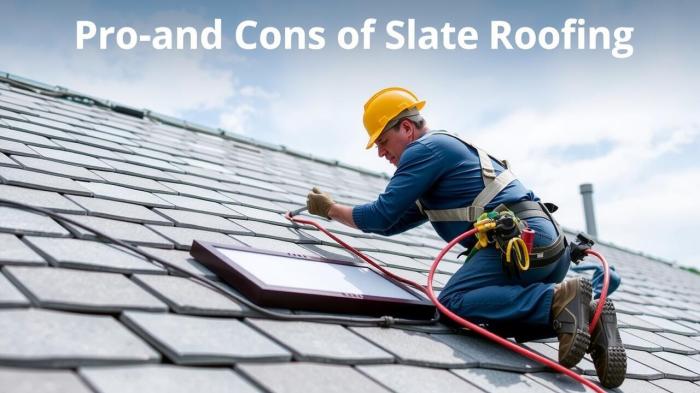
Maintaining a slate roof is crucial to ensure its longevity and performance. Proper care and regular inspections can help prevent costly repairs and extend the lifespan of the roof.
Maintenance Requirements
- Regular inspections: Inspect the roof at least twice a year to check for any damage, loose or missing slates, and debris buildup.
- Cleaning: Remove any debris, moss, or algae that can accumulate on the roof and cause damage over time.
- Repairing or replacing damaged slates: Promptly address any cracked, broken, or missing slates to prevent water leakage.
- Gutter maintenance: Keep gutters clean and free of debris to prevent water backup and damage to the roof.
Lifespan of a Slate Roof with Proper Maintenance
A well-maintained slate roof can last over 100 years, making it a durable and long-lasting roofing option.
Preventing Common Issues
- Preventative maintenance: Regularly inspect and maintain the roof to catch any issues early before they escalate.
- Avoid walking on the roof: Walking on a slate roof can cause damage, so it's best to leave inspections and repairs to professionals.
- Trim overhanging branches: Branches hanging over the roof can scratch or damage the slates, so keep them trimmed back.
Importance of Regular Inspections
Regular inspections are essential to catch any potential issues early and address them before they lead to costly repairs. Hiring a professional roofer for annual inspections can help ensure the longevity and performance of your slate roof.
Installation Process of Slate Roofing
When it comes to installing a slate roof, there are specific steps that need to be followed to ensure a successful and long-lasting result. Let's delve into the details of the installation process.
Steps Involved in Installing a Slate Roof
- Preparation of the Roof: The existing roof needs to be inspected and prepared for the installation of the slate tiles. Any repairs or replacements should be done before moving forward.
- Underlayment Installation: A proper underlayment is crucial for protecting the roof from water penetration. Synthetic underlayment or felt paper is commonly used.
- Setting up the Battens: Wooden battens are installed horizontally on the roof deck to provide a base for the slate tiles. These battens create the spacing necessary for the tiles to overlap correctly.
- Slate Tile Installation: Each slate tile is carefully placed and secured on the battens using nails or hooks. The tiles should overlap to prevent water from seeping through.
- Finishing Touches: Hip and ridge tiles are installed at the edges of the roof to provide a clean and finished look. Flashing is also added to ensure a watertight seal around vents, chimneys, and other protrusions.
Tools and Materials Required for a Slate Roofing Project
- Slate Tiles
- Underlayment (Synthetic or Felt Paper)
- Wooden Battens
- Nails or Hooks
- Flashing
- Roofing Hammer
- Roofing Nails
- Roofing Adhesive
Hiring Professionals vs. DIY Installation for Slate Roofs
- Hiring Professionals: While hiring professionals may incur additional costs, it ensures that the installation is done correctly and efficiently. Professionals have the experience and expertise to handle the intricacies of slate roofing.
- DIY Installation: DIY installation can be a cost-effective option for those with the necessary skills and knowledge. However, it is essential to research and educate yourself thoroughly before attempting to install a slate roof on your own.
Tips for Ensuring a Successful Slate Roofing Installation
- Choose high-quality slate tiles to ensure durability and longevity.
- Follow the manufacturer's guidelines for installation to avoid any mistakes.
- Properly maintain and inspect the roof regularly to address any issues promptly.
- If unsure, seek professional guidance or assistance to ensure a proper installation.
Conclusive Thoughts
In conclusion, the discussion on slate roofing pros and cons sheds light on the multifaceted nature of this roofing material. From its long-lasting durability to the challenges of maintenance and installation, exploring slate roofs unveils a world of possibilities for homeowners seeking a blend of elegance and practicality.
Commonly Asked Questions
Is slate roofing expensive to install?
Yes, slate roofing can be costly to install due to the high quality and expertise required in the installation process.
How long does a slate roof last with proper maintenance?
With proper maintenance, a slate roof can last over a century, making it a durable investment for homeowners.
Are slate roofers hard to find?
Yes, finding experienced slate roofers can be challenging due to the specialized skills needed for working with slate roofing materials.

