

Embark on a journey into the realm of smart security system installation, where innovation meets protection. Discover how these systems revolutionize safety and security in homes and businesses, offering advanced features and unparalleled peace of mind.
Delve deeper into the planning, installation process, and integration aspects to unlock the full potential of smart security systems.
Importance of Smart Security Systems
Smart security systems play a crucial role in safeguarding homes and businesses, providing advanced features that enhance safety and security measures.
Enhanced Safety and Security
- Smart security systems offer real-time monitoring, allowing users to keep track of their property remotely through mobile devices or computers.
- Integration with smart devices such as doorbell cameras, motion sensors, and smart locks provide comprehensive protection against intruders.
- Alert notifications and alarms enable immediate response in case of suspicious activities or emergencies.
- Cloud storage for video footage ensures that crucial evidence is securely stored and easily accessible.
Key Features for Effective Protection
- Facial recognition technology enhances identification of authorized individuals and detects unauthorized access.
- Two-way audio communication allows users to communicate with visitors or deter potential intruders from a remote location.
- Smart sensors detect environmental changes like smoke, carbon monoxide, or water leaks, ensuring early detection of hazards.
- Geofencing capabilities enable automation of security settings based on the user's location, enhancing convenience and efficiency.
Planning for Installation
When considering the installation of a smart security system, proper planning is crucial to ensure the system functions effectively. This involves assessing the property, determining optimal locations for cameras and sensors, and selecting the right type of system based on specific needs and budget.
Assessing the Property
Before installing a smart security system, it is essential to assess the property thoroughly. Walk around the premises to identify vulnerable areas that may require surveillance. Take note of entry points, blind spots, and high-risk areas that need monitoring.
Determining Optimal Locations
Once the property has been assessed, determine the optimal locations for cameras, sensors, and control panels. Cameras should be strategically placed to cover critical areas such as entrances, windows, and valuable assets. Sensors should be placed in areas prone to unauthorized entry, while the control panel should be easily accessible yet secure.
Choosing the Right System
When choosing a smart security system, consider your specific needs and budget. There are various types of systems available, ranging from DIY kits to professionally installed systems. Determine whether you need features like remote access, motion detection, or video monitoring, and select a system that meets your requirements.
Installation Process
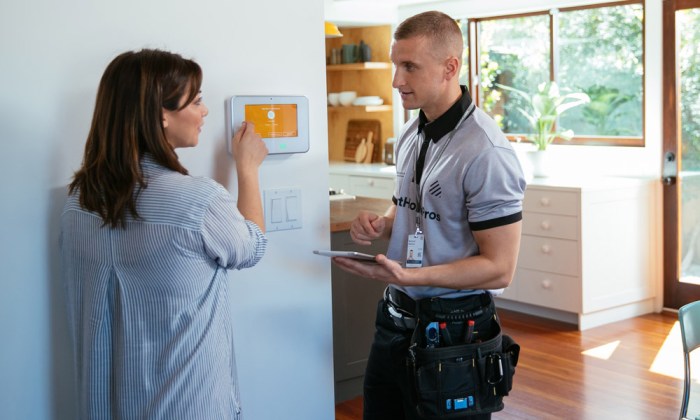
Installing a smart security system involves a step-by-step process to ensure all components are properly set up and connected. This includes cameras, sensors, and the control panel.
Setting Up Cameras
- Choose strategic locations for your cameras to maximize coverage of your property.
- Mount the cameras securely and adjust the angles for optimal viewing.
- Connect the cameras to a power source and ensure they are connected to the Wi-Fi network.
Setting Up Sensors
- Install sensors on doors, windows, and other entry points to detect any unauthorized access.
- Ensure sensors are properly aligned and securely attached to prevent false alarms.
- Connect the sensors to the control panel to enable real-time monitoring and alerts.
Connecting to Control Panel
- Place the control panel in a central location for easy access and visibility.
- Connect the control panel to a power source and the internet for remote access.
- Follow the manufacturer's instructions to link all cameras, sensors, and other devices to the control panel for seamless integration.
Common Challenges and Troubleshooting
- If cameras or sensors are not detecting motion, check the settings and adjust the sensitivity levels.
- If the control panel is not connecting to the devices, restart the system and ensure all connections are secure.
- If there are connectivity issues, troubleshoot the Wi-Fi network and ensure a stable internet connection.
Recommendations for Seamless Installation
- Read the installation manual carefully and follow all instructions provided by the manufacturer.
- Test each component individually before completing the full installation to identify any issues early on.
- Seek professional help if you encounter difficulties during the installation process to avoid any potential damage to the system.
Integration and Connectivity
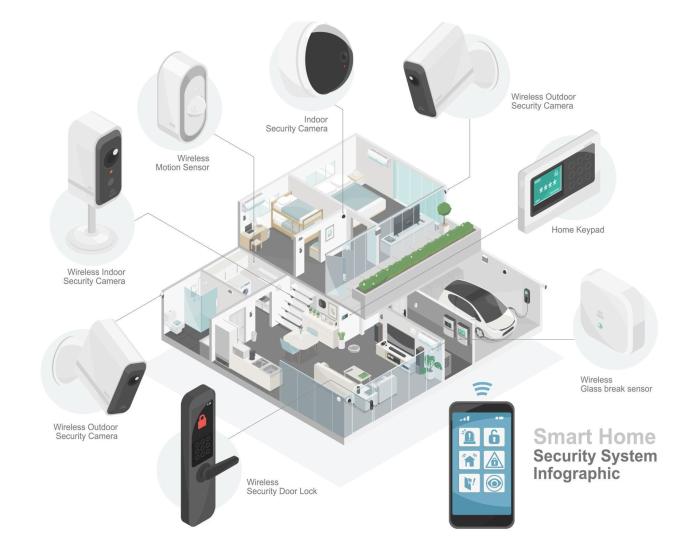
Integrating a smart security system with other smart home devices is crucial for maximizing the functionality and effectiveness of your overall home automation setup. By connecting your security system to other devices, you can create a seamless network that enhances security measures and provides convenience and peace of mind.
Connecting to Smartphones and Tablets
To connect your smart security system to smartphones or tablets for remote monitoring and control, you typically need to download the corresponding mobile app provided by the security system manufacturer. Once the app is installed, you can easily access live video feeds, receive real-time alerts, and control your security settings from anywhere with an internet connection.
- Download the mobile app from the App Store or Google Play Store.
- Follow the app's setup instructions to connect your security system to your mobile device.
- Ensure your security system and mobile device are connected to the same Wi-Fi network for seamless functionality.
Role of Connectivity Protocols
Connectivity protocols like Wi-Fi, Bluetooth, and Z-Wave play a significant role in smart security system installations by enabling communication between devices within the network. Wi-Fi allows for high-speed data transmission, Bluetooth is ideal for short-range connections, and Z-Wave is commonly used for home automation systems due to its low power consumption and reliability.
- Wi-Fi: Provides a stable and secure connection for transmitting data between your security system and other smart devices.
- Bluetooth: Enables seamless pairing between devices in close proximity, such as connecting your smartphone to a Bluetooth-enabled security camera.
- Z-Wave: Facilitates communication between various smart home devices, allowing them to work together harmoniously to enhance security measures.
Conclusive Thoughts
As we conclude our discussion on smart security system installation, it's clear that embracing this technology is key to safeguarding your property effectively. Explore the possibilities and enhance your security measures with these cutting-edge systems.
FAQ Resource
How do smart security systems enhance safety?
Smart security systems provide real-time alerts, remote monitoring, and integration with other devices for a comprehensive security solution.
What are the initial steps in planning for installation?
Begin by assessing your property, determining camera and sensor placements, and selecting a system that fits your needs and budget.
What challenges may arise during installation?
Common challenges include connectivity issues, positioning cameras effectively, and troubleshooting sensor functionality.
How can a smart security system be integrated with other devices?
Integration can be done through compatible apps or platforms, allowing seamless connectivity with smart home devices for enhanced functionality.

